POCOPOCO JOURNAL
Can you knit or crochet straight from a hank? Check before winding
A hank is a large loop of yarn bundled for sale. Wind it into a ball before knitting or crocheting. Check the actual package and maker’s guidance rather than relying on a name alone.
About 3 minutes to read
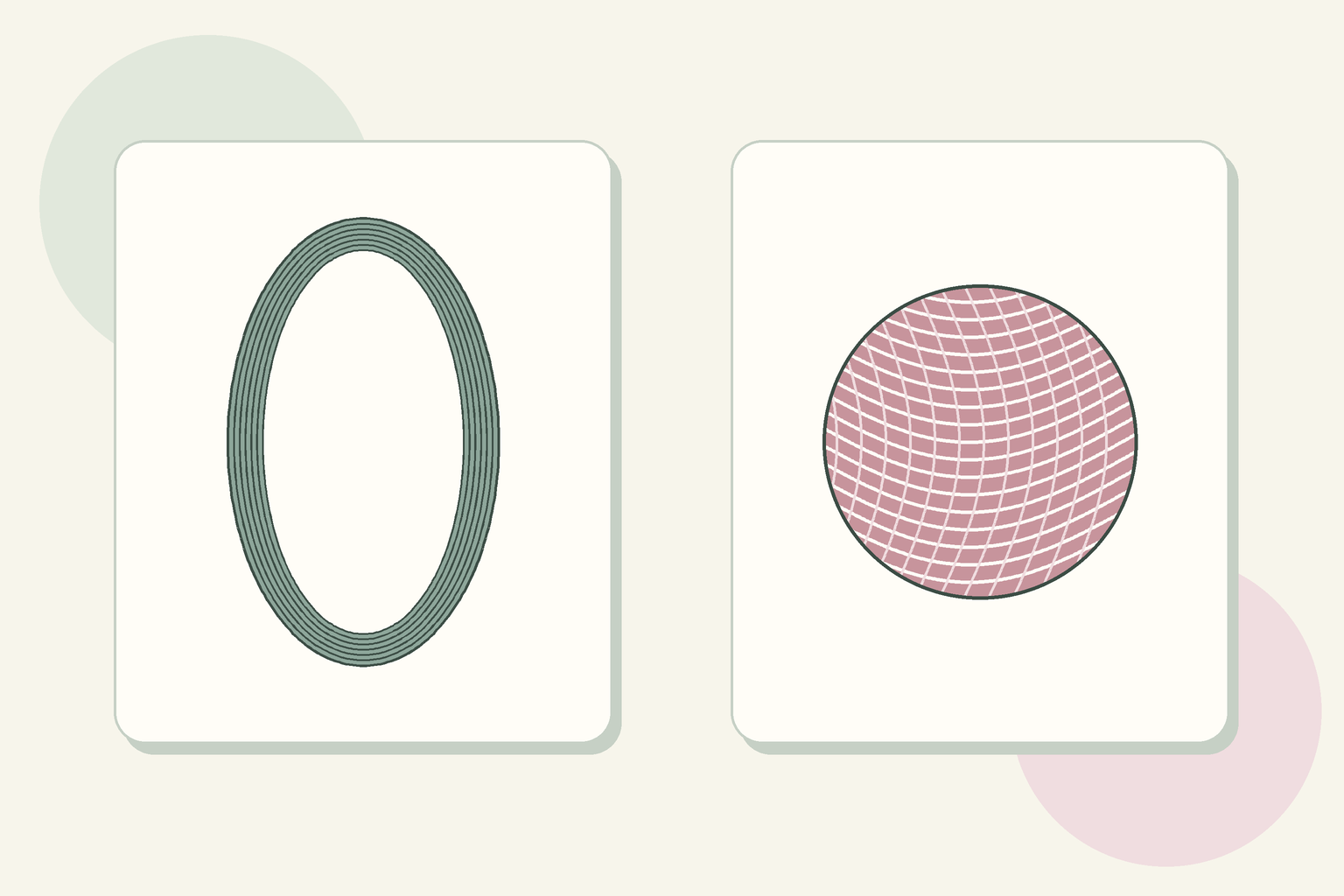
New yarn may arrive as a twisted bundle rather than a ready-to-use ball. Does finding a loose end mean you can start making stitches? Today, check how a hank needs preparing before use. The aim is to distinguish yarn already wound for working from a bundled loop. This is a preparation guide, not instructions for hand movements or deciding where to cut ties from an illustration.
Match the actual form to its product guidance
Here, hank means yarn gathered into a large loop. Purl Soho calls a loop twisted into a coil a skein, also known as a hank. Vogue Knitting, however, distinguishes pull-skeins, pre-wound balls and hanks. Do not assume that every use of the word skein means the same winding format. Compare your yarn with its label, product photographs and preparation instructions. If the form is unclear, check that product’s guidance before searching its centre and pulling hard for an end.
Wind a hank into a ball before using it
Drawing working yarn directly from a bundled hank can cause tangles. Both Purl Soho’s knitting guidance and Vogue Knitting’s crochet guidance explain winding it into a ball first. A visible yarn end and yarn ready for making stitches are different things. Simply undoing the twist does not turn the loop into a ball. This also does not mean rewinding every product already supplied ready to use. Choose the preparation that matches the form and instructions for your particular yarn.
Check how to support the loop before winding
You can wind by hand or use a yarn swift and ball winder. DROPS also describes hand winding while keeping the yarn in its loop. A swift supports the hank; a ball winder takes up the yarn. Read the tool instructions as well if using equipment. You also need to identify securing ties and the yarn end you will work with. Do not cut something you cannot identify. Keep the form intact and ask the seller or maker if uncertain. Read the complete preparation and winding guidance before starting, rather than copying an isolated photograph.
Original explanatory diagram created by PocoPoco with AI assistance. This invented label, book and note card suggest organising checks before use. Blank fields are not confirmed answers. It does not show actual yarn or products, winding or cutting procedures, stitch charts, measurements or an app screen. Keep the wound yarn connected with its label
Before removing a band, consider recording the product name and photographing its label. After winding, keep track of which label belongs to each ball. Vogue Knitting recommends retaining labels for information including fibre, colour and dye lot. With several hanks, establish those connections before removing all their bands. A note can also show whether winding is needed, completed or awaiting clarification. Do not mark unresolved preparation as finished; identify the next person or page to consult.