POCOPOCO JOURNAL
Where does a crochet repeat end?
Separate the repeat from the instructions before and after it. Check the number of complete groups and any special ending in an English-language crochet pattern.
About 3 minutes to read
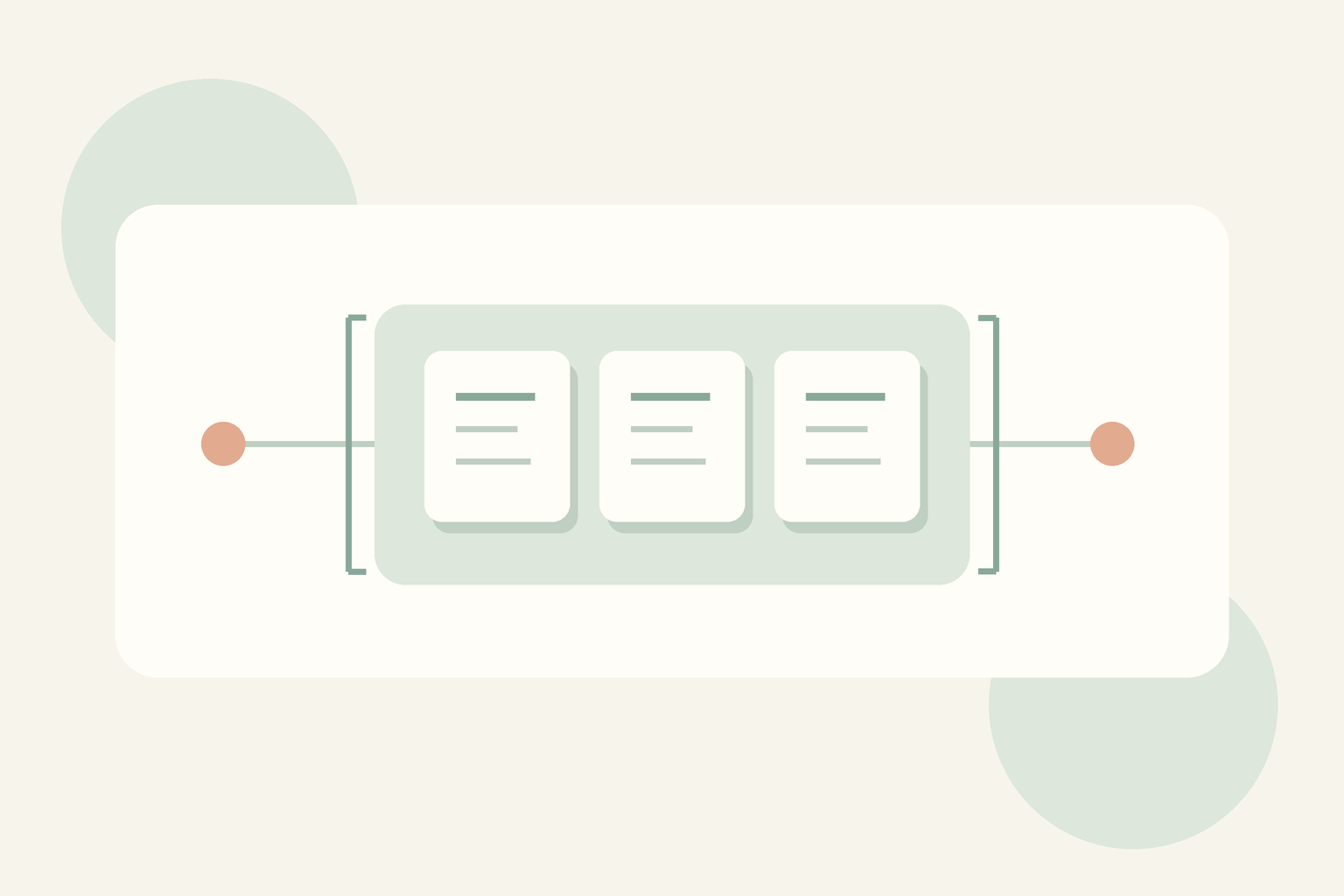
Do you keep rereading the same line of an English-language crochet pattern? Instead of memorising the whole row at once, identify the group of actions that repeats. Today is a paper exercise for organising written instructions. Use the explanation in your own pattern rather than deciding what to crochet from a symbol’s shape alone. The letters A and B below are invented action labels for thinking about sequence. They are not particular stitches or a project recipe, and the example is not an instruction to crochet those actions into your piece.
Read the key and the whole row first
Open the pattern’s notes and abbreviation key. Check whether it uses US or UK crochet terminology, because stitch names differ. The Craft Yarn Council’s list also notes pattern-specific abbreviations and more than one use for parentheses. Parentheses can mark repeated actions or a group worked into the same stitch or space. Before counting repetitions, read through to the end of the row. If a word remains unclear, return to its explanation before proceeding.
Separate the repeat from what surrounds it
Asterisks (*) can mark the beginning or boundaries of repeated instructions. Read both the symbols and words such as the instruction to repeat from a particular point. Do not automatically include a once-only instruction before the group, or an instruction that follows it, in every repetition. For your own notes, try three sections: instructions before the repeat, the repeating group, and instructions after it. Keep the original wording beside the note. If marking the pattern, leave its symbols and number of repetitions visible.
Distinguish a total from additional repetitions
For an invented exercise, define one group as action A followed by action B. “Work this group once, then work it two more times” gives three groups in total. On paper, that is A→B, A→B, A→B. It is different from “work the group twice in total.” This example organises language and sequence; it does not mean crochet three stitches. In a real pattern, establish whether a number describes the total or repetitions additional to work already done, using its original wording and explanation. If keeping a tally, decide to add one mark only after finishing the whole group. Keep an unfinished group distinct from a completed one.
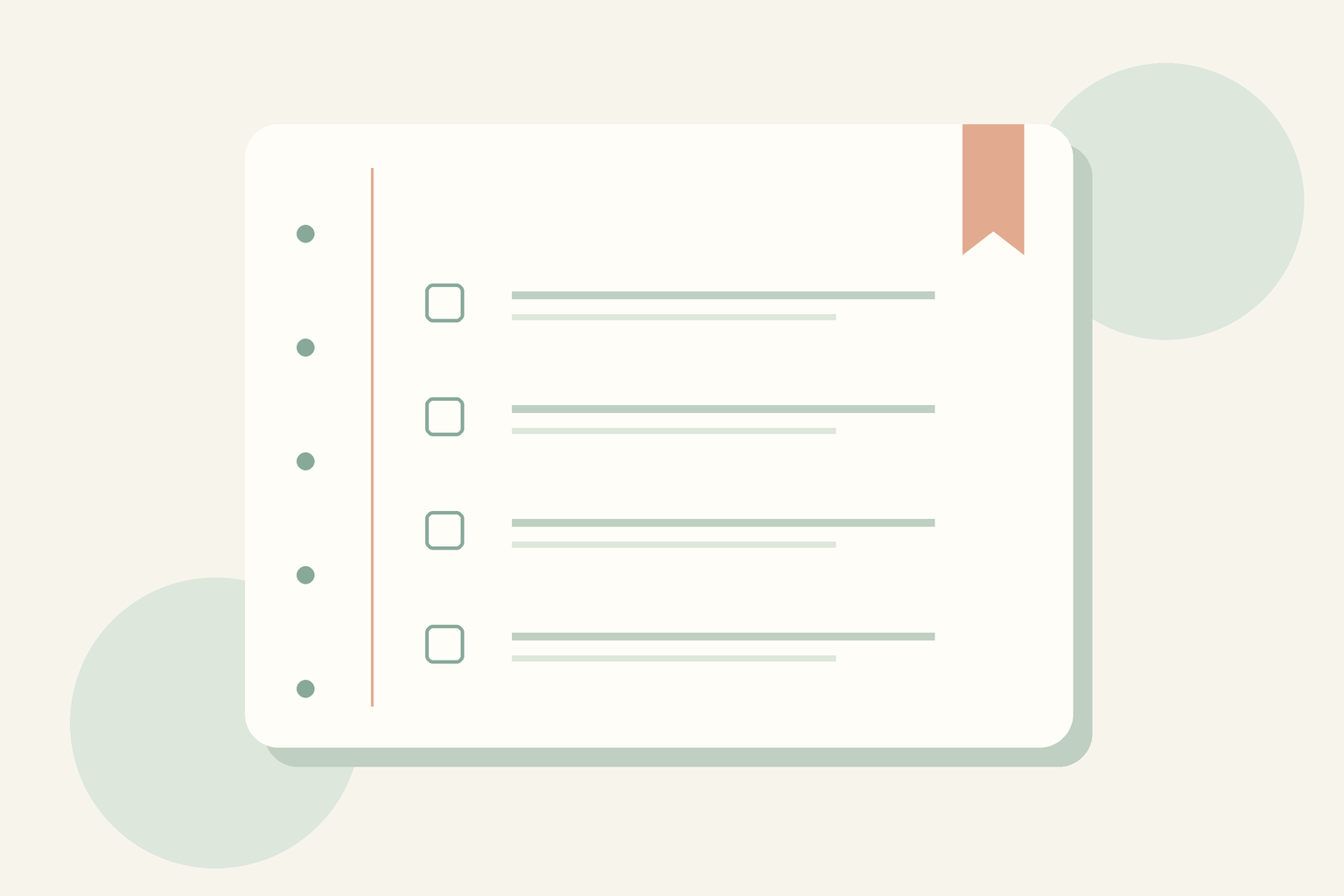
Original explanatory diagram created by PocoPoco with AI assistance. This invented example represents noting your reading position. It is not an actual pattern, repeat count, stitch chart, crochet procedure, verified result or app screen. Check for a special ending on the last repeat
A row may instruct you to stop the final repetition at a marker partway through the group. The Craft Yarn Council explains an example in which the wording makes a double asterisk (**) that stopping point. Do not turn this into a rule that every ** means stop. Identify which repetition is affected, where it ends and what follows. Do not confuse a row-end stitch count with a repeat count or extra instructions. If the correspondence is unclear, keep the question and consult the designer’s or publisher’s guidance. Do not add or omit actions merely to make a stitch total fit.