POCOPOCO JOURNAL
Turn leftover yarn into a record you can use later
Give each leftover pack an ID. Keep original label details, the amount left now and its project history separate, including what you still do not know.
About a 3-minute read
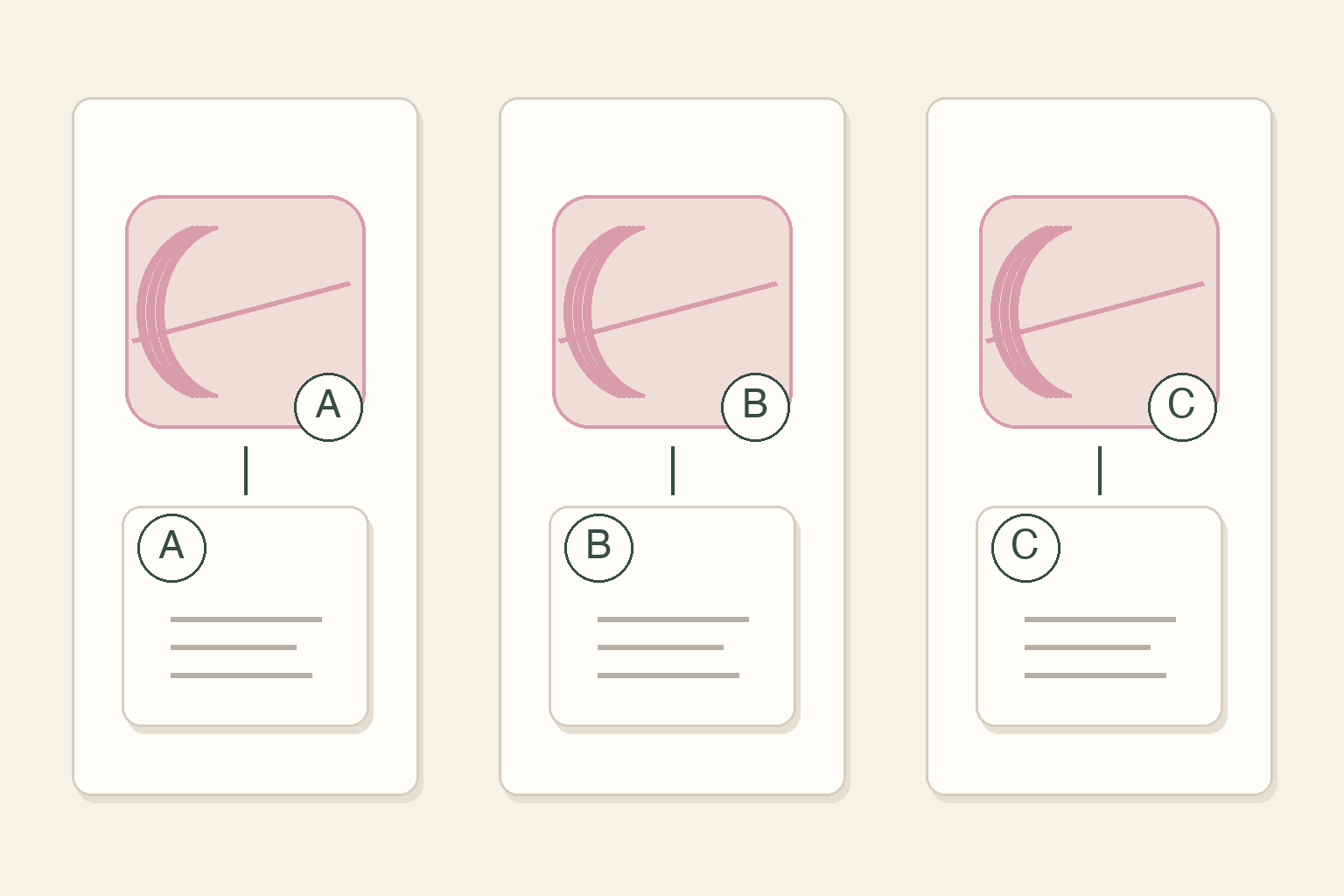
After finishing a project, you may have small amounts of yarn left. Later, you might wonder which project they came from or which pack a loose band belongs to. Try connecting those knitting or crochet leftovers with a record you can revisit. This is an organizing suggestion for identifying what remains after finishing, rather than planning materials for a new project. You do not have to identify every yarn or establish every quantity now. Connect each existing pack or container with a short note, separating what you know from what remains unknown.
Give each pack or container a temporary ID
Choose one existing pack or container and give it an ID such as A. Put the same ID on the pack and its note so you can follow the connection. Use B and C for other packs. These letters identify the objects in your records; they do not identify a product, fibre, colour name or number, or dye lot. Do not declare yarns identical just because they share a pack. Note it if you do not know whether a pack contains mixed yarns. Start with one pack without rewinding everything or buying new containers for this exercise.
Copy known label details and check the connection
If you know a surviving label belongs to that pack’s yarn, copy its readable product name, fibre information, colour name or number, and dye lot into an “original label details” section. Write “unknown” for unreadable or missing details. If a band survives but you cannot connect it to a pack, write “label connection unconfirmed” instead of assigning its information to that yarn. Do not fill gaps by guessing fibre, colour name or number, or lot from appearance. Note where you can find the original band again so you have a reference to check later.
Separate the original amount from what remains now
Add a separate section called “current amount left”. Write “not measured” if you have not measured the remaining yarn, or “unknown” if you do not know the amount. Even if the original band gives a weight or length for the yarn when new, do not copy that number as the amount remaining now. If you keep it, put it under original label details and mark it as the amount when new. Do not present pack size or the amount you think you used as a calculation of the remainder. You do not need to decide whether it is enough for another project. Keep the original information and the currently confirmed quantity separate.
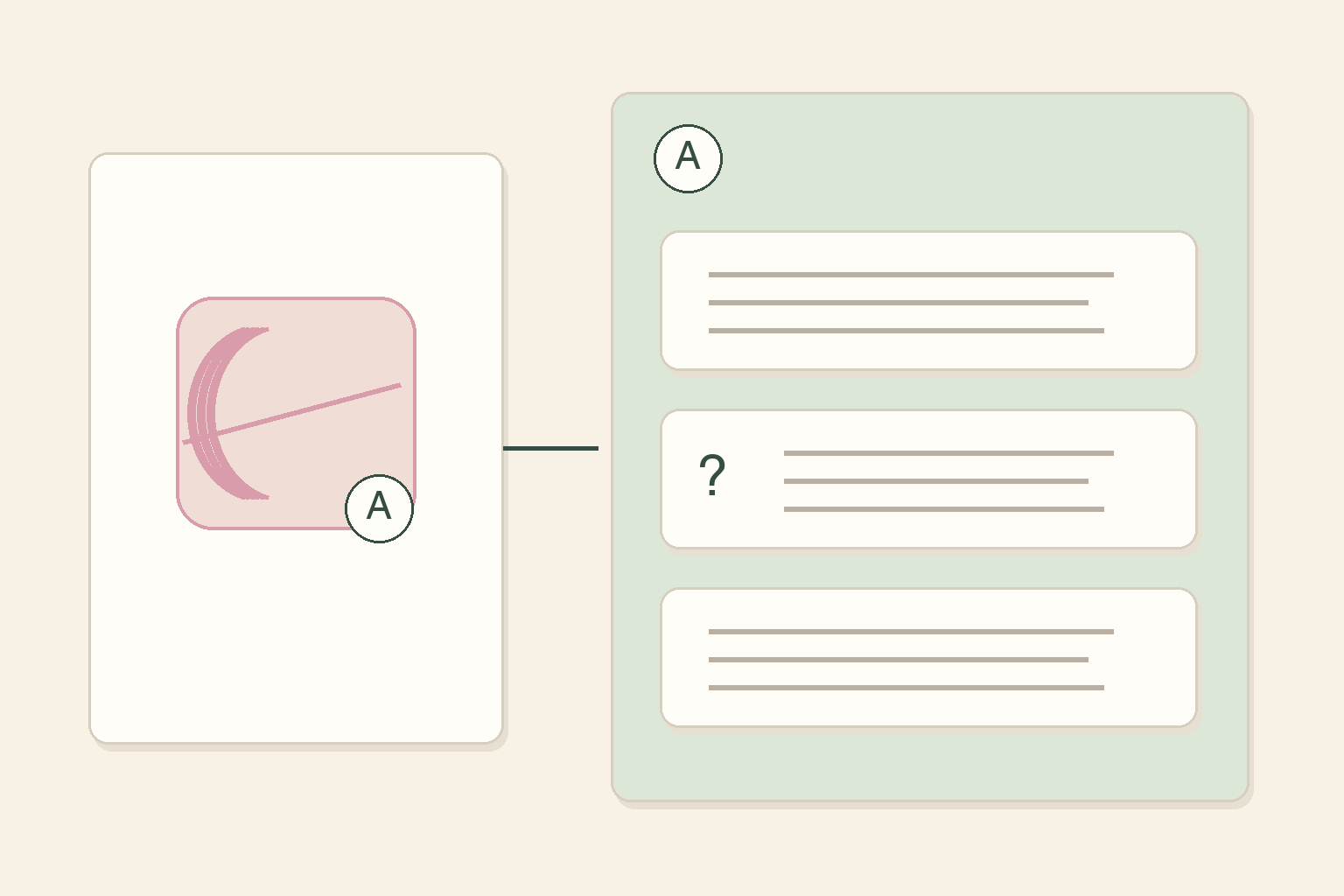
Original record schematic by PocoPoco. Three sections illustrate separating original label details, the current amount left and project history. Lines stand in for text. The question mark in the middle section is an example of an unmeasured or unknown amount, not zero. These are not actual labels, measured results, stitch charts or app screens. Keep its project history and one next check
Under “project it came from”, name the project that left this yarn. If you cannot name it, keep a clue you can check, such as the location of a project note. Record known use across several projects; leave an unknown history as “unknown”. Finally, add just one “next check”: for example, “find the original project note for A”. Choose an action connected with an open question. When you learn more, add the result and the date you checked it. If you move the yarn to another pack, revisit the connection between its ID and note.