POCOPOCO JOURNAL
RS or WS? Keep track of your fabric’s sides
What do RS and WS mean in an English-language pattern? Confirm the intended face, then keep a side marker separate from your record of where you stopped.
About 3 minutes to read
Have you picked up a project and wondered which face you are looking at? English-language knitting and crochet patterns may identify the fabric’s sides as RS and WS. These labels do not mean the right and left of your table, or a successful side and a mistaken one. Today’s task is to add a reminder for a side you have confirmed in the pattern and make a short key you can check when resuming. Keep the explanation that identified the side beside your note, rather than choosing again from appearance alone.
Read the abbreviations and the side description
The Craft Yarn Council’s crochet abbreviation list defines RS as right side and WS as wrong side. Think of these as names for the project’s faces, not an instruction about its right edge or a knitting error. Start with your own pattern’s abbreviations, notes and side labels at the beginning of rows. Also distinguish knit and purl, the knitting actions, from the fabric’s right and wrong sides. Follow the project’s explanation of which face is intended as its right side.
Do not decide from appearance or row numbers alone
The CYC knitting guide explains that stockinette usually has the knit face as its right side, but the purl face can also be used as the right side. In fabrics such as garter stitch, the two faces can look very similar. Do not make the prettier face, the yarn tail’s position or an odd row number a universal test. Find the row or note that identifies the sides for the section you are working. If unsure, consult the designer’s or publisher’s explanation before attaching a marker.
Give a removable marker one consistent meaning
Once you have confirmed the side, try a removable marker to identify that same face consistently. KnitOasis’s designer describes marking one face and keeping that choice consistent. For example, write in your key that the marked face is RS. Recording the marker’s colour or shape can help distinguish it from other markers. Keep this purpose separate from markers the pattern assigns to a row beginning, shaping position or another location. A marker for a face does not, by itself, tell you which row or action to work next.
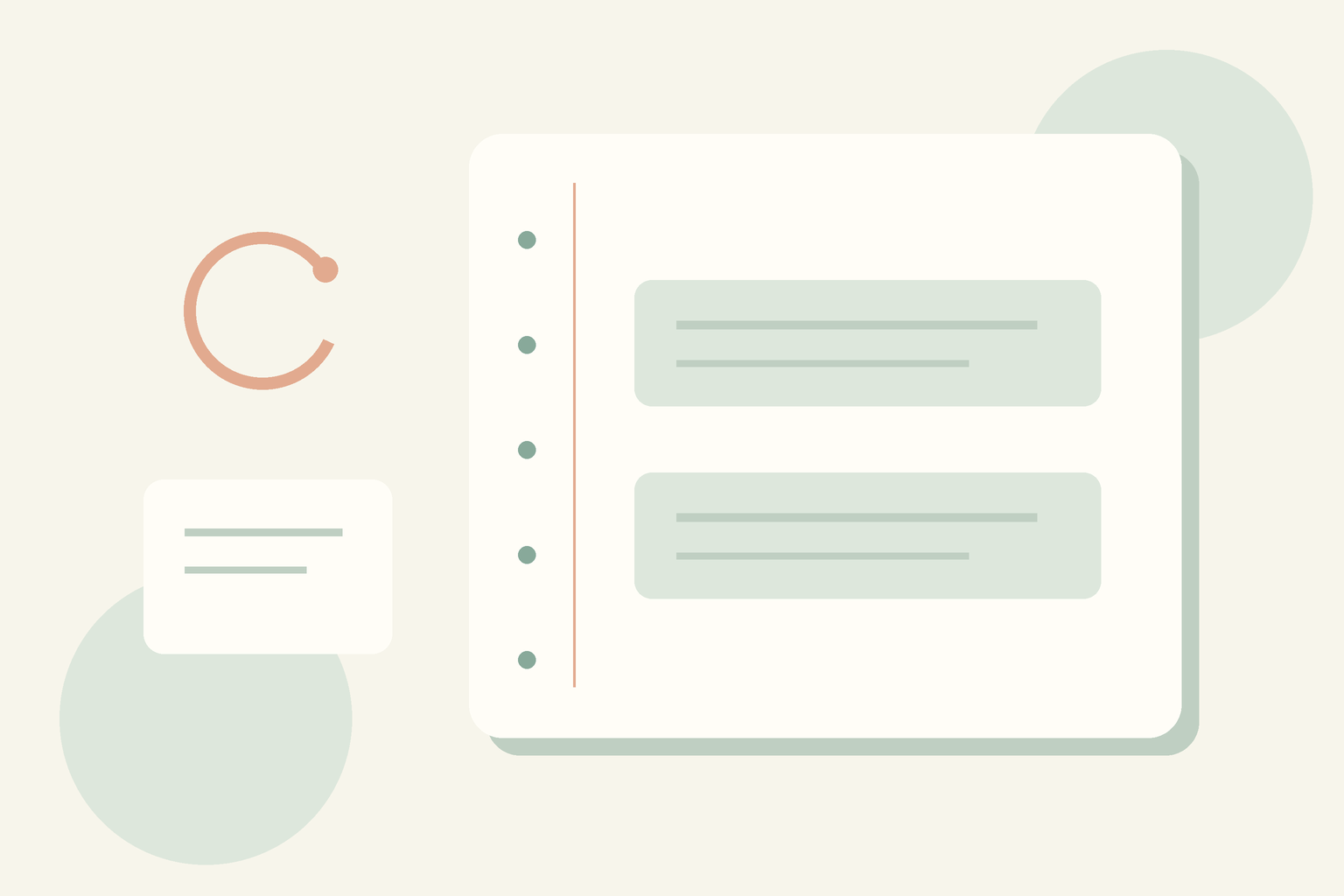
Original explanatory diagram created by PocoPoco with AI assistance. This invented arrangement represents noting a side-marker key. It is not actual fabric, a working procedure, a stitch chart, measured results or an app screen. Check the completed row against the next instruction
Before a break, record the last completed row and the instruction to check next, separately from your side-marker key. In the CYC knitting example, an instruction to end with a WS row means the last row completed is a WS row. Do not reinterpret it as stopping just before working that row. Check the pattern’s following instructions for what to do afterwards and which face to present when resuming. If pausing partway through a row, record its position and that it is unfinished. On returning, compare the marker key, your working position and the next instruction; leave uncertainties unresolved rather than filling gaps by guesswork.