POCOPOCO JOURNAL
Same dc, different stitch? US and UK crochet terms
In an English crochet pattern, dc changes meaning with US or UK terminology. Use two common correspondences to check the pattern’s system and glossary, then make a small reading key.
About 3 minutes
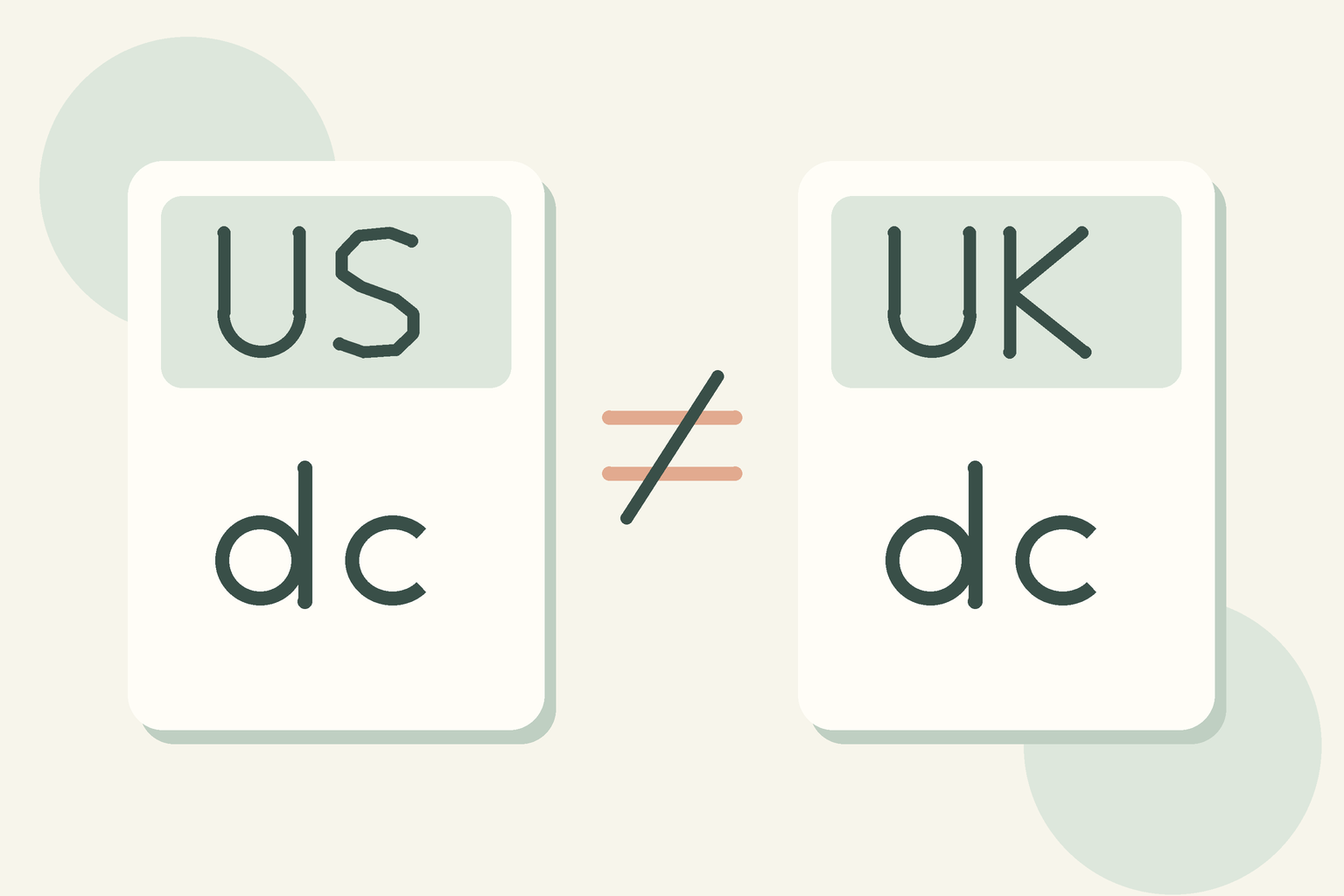
When you recognise dc in an English crochet pattern, pause before turning it into the stitch you already know. Check whether the pattern uses US or UK terminology: the same letters can refer to different stitches. Today’s task is to verify the terms in one pattern, rather than memorise an entire list. The illustrated cards organise a reading task; they do not show stitch shapes or crochet procedures.
Find this pattern’s terminology first
Open the introduction, notes and abbreviation key. Look for wording such as US terminology or UK terminology. Do not decide the system from the author’s country or the website’s location alone. Craft Yarn Council explains that designers may use special abbreviations outside its list, usually defined at the beginning of a book or pattern. Start with the definitions for this particular project before consulting a general comparison. If you cannot find the system, mark it as unconfirmed in your notes. English-language instructions alone do not establish US or UK terminology.
Read two dc correspondences separately
In Craft Yarn Council’s comparison, US single crochet (sc) corresponds to UK double crochet (dc). US double crochet (dc), however, corresponds to UK treble (tr). US dc and UK dc therefore cannot be treated as the same stitch simply because the letters match. Writing only “dc = double crochet” still leaves uncertainty if the terminology system is missing. Keep US or UK together with the abbreviation and full name. These are correspondences between names, not instructions to change stitch or row counts, and not a conversion between hook size numbers and millimetres.
Keep the original and make a small key
On separate paper, create spaces for the pattern’s name and reference page, its confirmed terminology, and the original abbreviation and full name. If you add the equivalent name in a system you normally use, label that system US or UK as well. Use headings that show which entry comes from the original, rather than connecting two unclear columns with an arrow. Record only the terms needed for the passage you are reading. Keep project-specific definitions accessible too. Leave the original unchanged beside your notes, and separate verified terms from those you still need to check.
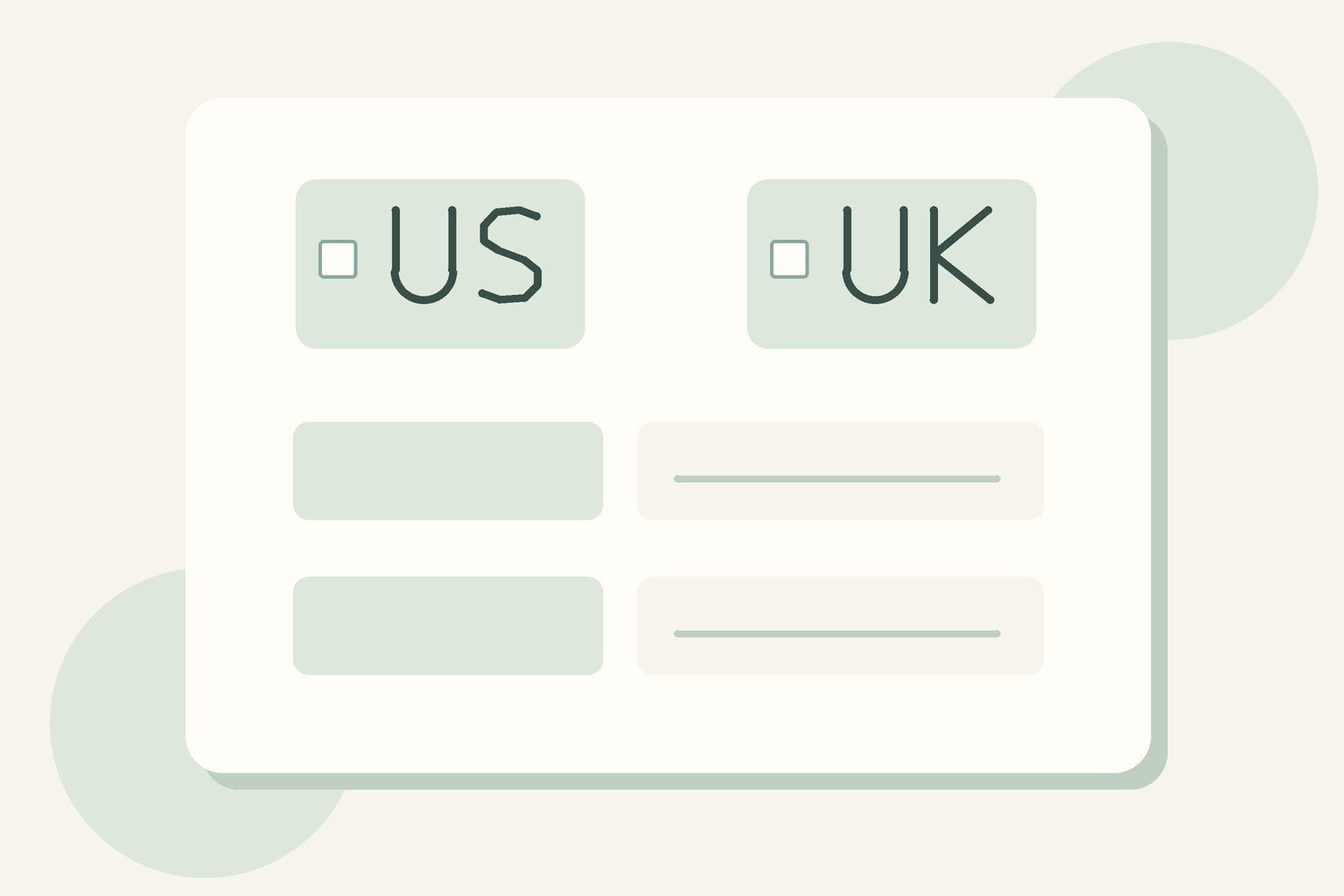
Original explanatory diagram created by PocoPoco with AI assistance. This invented layout suggests recording terminology and terms on separate paper. Blank fields do not represent verified information. It does not depict stitch shapes, a stitch chart, crochet procedures, an actual pattern or an app screen. Pause where the meaning remains uncertain
When opening another explanation or video, check that its terminology matches your pattern. Avoid using a correspondence as a reason to replace every dc with tr throughout the original. Checking names should not accidentally change counts, repeats or special abbreviations. If the system is unstated, or the glossary and instructions do not make sense together, note the exact term and location, then consult the author’s or publisher’s guidance. Confirm the reading before proceeding instead of settling it by appearance or habit. For the broader preparation checks, including materials and gauge, use the related article below.
Next check: four points to read before starting a crochet pattern